Nature is full of wonders and mysteries that we often overlook in our daily lives. It is not only beautiful, but also incredibly intelligent — adapting and evolving to thrive in diverse environments. The diversity of life on Earth is astounding, and each species plays a vital role. From plants to oxygen to microscopic organisms, these building blocks of life work together to maintain balance in our world.
What Are Fungi?
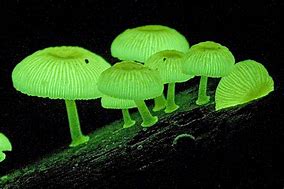
Of all the amazing things in nature, fungi are among the most magnificent. When most people hear the word “fungi,” they think of mushrooms. While mushrooms are fungi, they represent only a small part of this vast kingdom.
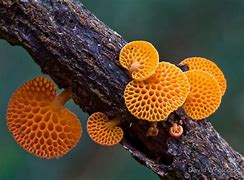
Fungi are not plants, animals, or bacteria — they belong to their own unique kingdom of life. They are found everywhere: in soil, air, and even within us. Some are edible and nutritious, like mushrooms, truffles, morels, and chanterelles. Others are essential in producing cheese, bread, wine, beer, soy sauce, tempeh, and other fermented foods. Many fungi also produce compounds with medicinal properties, including penicillin, cyclosporine, ergotamine, and psilocybin.
The Role of Fungi in Nature
Though often associated with death and decay, fungi perform one of the most important functions on Earth: decomposition. They recycle nutrients, produce useful substances like antibiotics and enzymes, and form symbiotic relationships with other organisms.
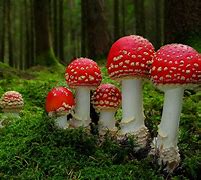
Fungi are the end and the beginning, all at once. As the digestive tracts of the forest, they break down plant matter, recycle it, and make it usable for new life. Without fungi, Earth would be buried under plant matter, choking the planet. Instead, fungi generate soil, bear mushrooms (their fruiting bodies), and represent rebirth and regeneration.
The Hidden World of Mycelium
Fungi can theoretically live forever. They are the oldest, youngest, biggest, and smallest organisms. The largest known fungus lives in Oregon and is thousands of years old.
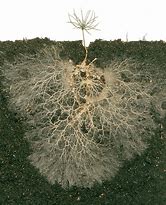
There are over 1.5 million species of fungi — six times more than plants — though only about 20,000 produce mushrooms. The bulk of a fungus grows underground as a network of threads called hyphae, which form the mycelium. This vast underground web absorbs water and nutrients, transporting them to growing tips.
Mycelium functions like the neurological pathways of our brains or even a computer network, transmitting electrical impulses and electrolytes. Trees and plants use this network to communicate and share nutrients, creating a hidden web of life beneath every forest floor.
Conclusion
Fungi as Partners
Some fungi form beneficial partnerships. Mycorrhizal fungi help plants absorb water and minerals, while lichens combine fungi with algae or cyanobacteria in a symbiotic relationship. These partnerships highlight fungi’s role as connectors and collaborators in ecosystems.
Fungi and Pollution
A remarkable experiment tested fungi’s ability to restore polluted environments. Four piles of petroleum waste were treated differently: one left alone, one with enzymes, one with bacteria, and one with mushroom spores.
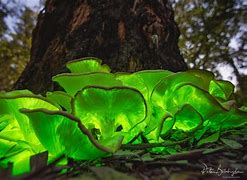
Only the mushroom-treated pile thrived. It grew oyster mushrooms, which attracted insects, then birds, then seeds — transforming the toxic waste into a thriving ecosystem. The fungi absorbed oil and produced enzymes that broke carbon-hydrogen bonds, demonstrating their ability to help break down pollution.
Fungi are diverse, powerful organisms that play a vital role in ecosystems. They decompose organic matter, recycle nutrients, form symbiotic relationships, and produce food, medicine, and inspiration.
The bottom line: if we destroy or harm fungi, we harm ourselves. These organisms helped bring life to Earth, and they continue to flourish all around us — even inside us.

A.I. Creators Club